Premium Charcoal Briquettes Remain in Demand Despite Rising Global Shipping Costs
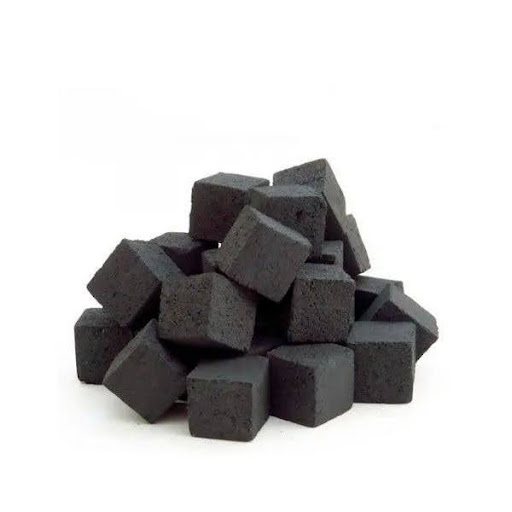
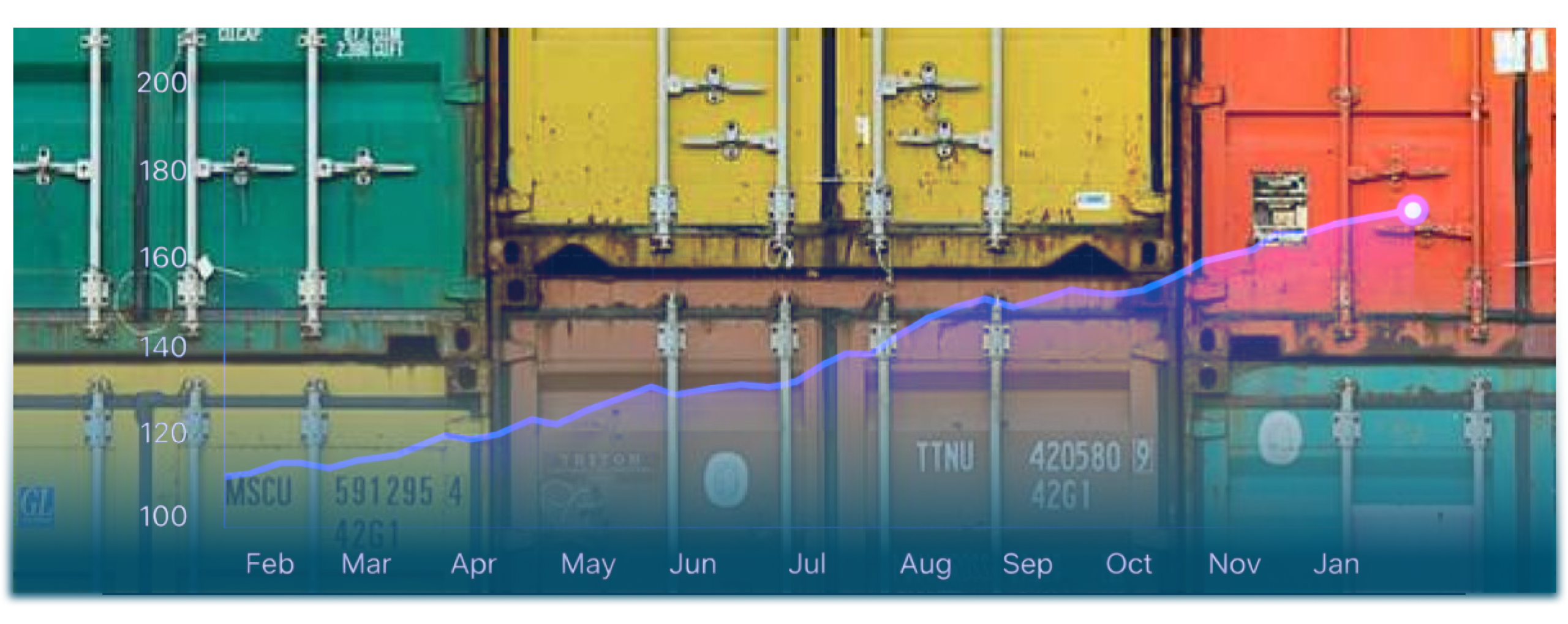
“When costs rise, only premium products stay in demand.” Rising logistics costs in 2026 have reshaped global trade dynamics. However, one pattern remains consistent: demand for high-quality charcoal briquettes continues to hold strong particularly in BBQ and shisha markets.
Author : Rajwa Alvaro, Founder and Managing Director
Designed By : Taqy Farras, Head Of Digital Marketing
Published : May 2026
Sources : Statista, FAO
Estimated reading time: ~5 minutes
Global Context: Rising Costs, Selective Demand
The increase in global shipping costs has forced buyers to reassess sourcing strategies. Freight, insurance, and transit time volatility have made low-margin products less attractive.
Instead of chasing the lowest price, many buyers are shifting toward products that deliver consistent performance and reliability.
According to Statista, global charcoal demand remains stable, supported by:
-
- Continued growth in outdoor cooking culture
-
- Strong demand from hospitality sectors
-
- Expanding shisha consumption in key markets
At the same time, insights from Food and Agriculture Organization highlight that charcoal continues to play a significant role in global bioenergy consumption, particularly in developing and emerging markets.
Why Premium Products Are More Resilient
In a high-cost logistics environment, product selection becomes more strategic. For charcoal briquettes, premium products offer advantages that justify their position:
1. Consistent Performance
High fixed carbon content and low ash levels ensure:
-
- Longer burning time
-
- Stable heat output
-
- Better user experience
For end customers (restaurants, shisha lounges), inconsistency translates directly into operational risk something premium products minimize.
2. Lower Operational Risk for Buyers
When freight costs increase, the total landed cost rises significantly. In this context, product failure becomes more expensive.
Buyers increasingly prioritize:
-
- Reliable quality
-
- Fewer complaints from end users
-
- Reduced need for product replacement
This shifts decision-making away from price alone.
3. Brand and Customer Experience
For businesses in BBQ and shisha segments, product quality directly affects brand perception. Using low-grade charcoal may reduce cost per ton but can:
-
- Damage customer experience
-
- Reduce repeat purchases
-
- Impact long-term revenue
As a result, many buyers maintain or even increase their demand for premium-grade briquettes.
Charcoal Briquette Market Behavior in 2026
Current market conditions suggest a clear pattern:
-
- Low-grade products face stronger price pressure
-
- Mid-tier products become less competitive
-
- Premium products retain demand stability
This reflects a broader shift: buyers are optimizing for value per use, not just cost per ton
In practical terms, this supports the sustainability of premium pricing structures even as logistics costs rise.
Implication for Exporters
For exporters, this trend carries strategic implications:
-
- Competing purely on price becomes increasingly difficult
-
- Consistency and quality control become key differentiators
-
- Long-term buyer relationships depend more on reliability than cost advantage
- Long-term buyer relationships depend more on reliability than cost advantage
Rather than compressing margins to stay competitive, exporters with stable quality positioning are better placed to maintain pricing discipline.
Conclusion
Rising logistics costs have changed the rules of global trade but not in a way that disadvantages premium products. In the charcoal briquette industry, higher costs have reinforced a key reality: buyers are willing to pay more for products they can rely on. For exporters, this creates an opportunity not to compete lower, but to compete smarter.
About BumiCharcoal
BumiCharcoal is an Indonesian coconut charcoal briquette supplier based in Jakarta, Indonesia. The company focuses on reliable supply, consistent quality, and transparent pricing, supported by strong supplier relationships and clear communication with buyers.
Through ongoing analysis of global trade and logistics developments, BumiCharcoal provides not only product supply, but also practical market insight for more predictable sourcing decisions.
This article is published for informational and industry education purposes.
Website: www.bumicharcoal.com
Email: export@bumicharcoal.com